

Who We Serve
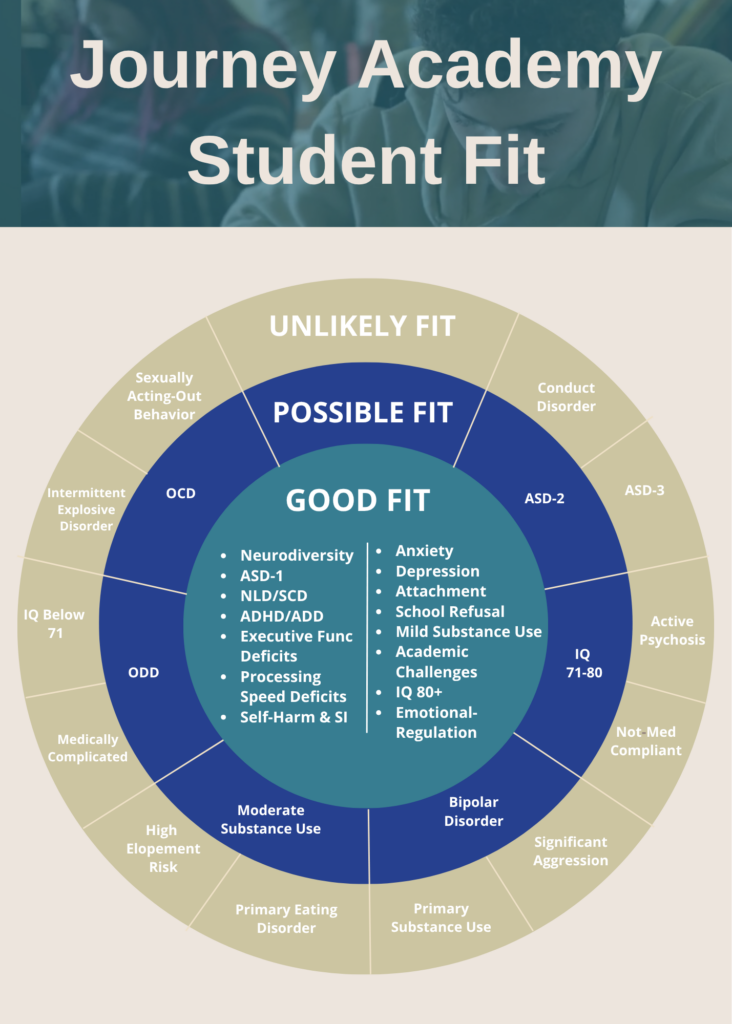
We serve ERMHS students in the 9-12 grade with IEP diagnoses of Emotional Disability (ED), Other Health Impairment (OHI), Specific Learning Disability (SLD) and/or Autism (ASD) (Level 1). Our Residential Facilities can support students up until their 20th birthday.
Learn More About Our Programs
If you would like to learn more about our structure and programs, discuss a potential referral or schedule a tour of our campus, please contact our Admissions Team today at admissions@tlc4kids.org or click here to Schedule a Virtual Meeting.
To Submit a Referral
To start the referral process, you may email the documents listed below to admissions@tlc4kids.org. We will review all documents and reach out with a determination or with any additional questions within the week.
- A brief statement (1-2 sentences) describing why the youth is being referred to our level of care
- Signed ROI
- Most recent annual IEP
- Psycho-Educational Eval
- Any Suspensions, Incident Reports and BERs from the last year (if applicable)
- Any other documents or information that may be useful to our team
Our Location
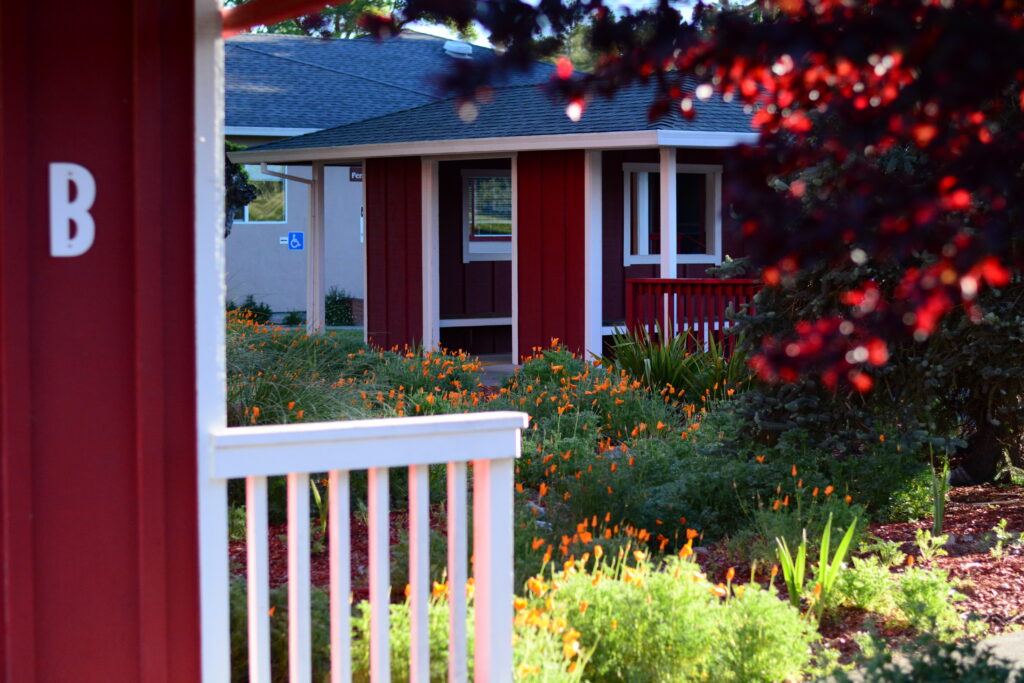
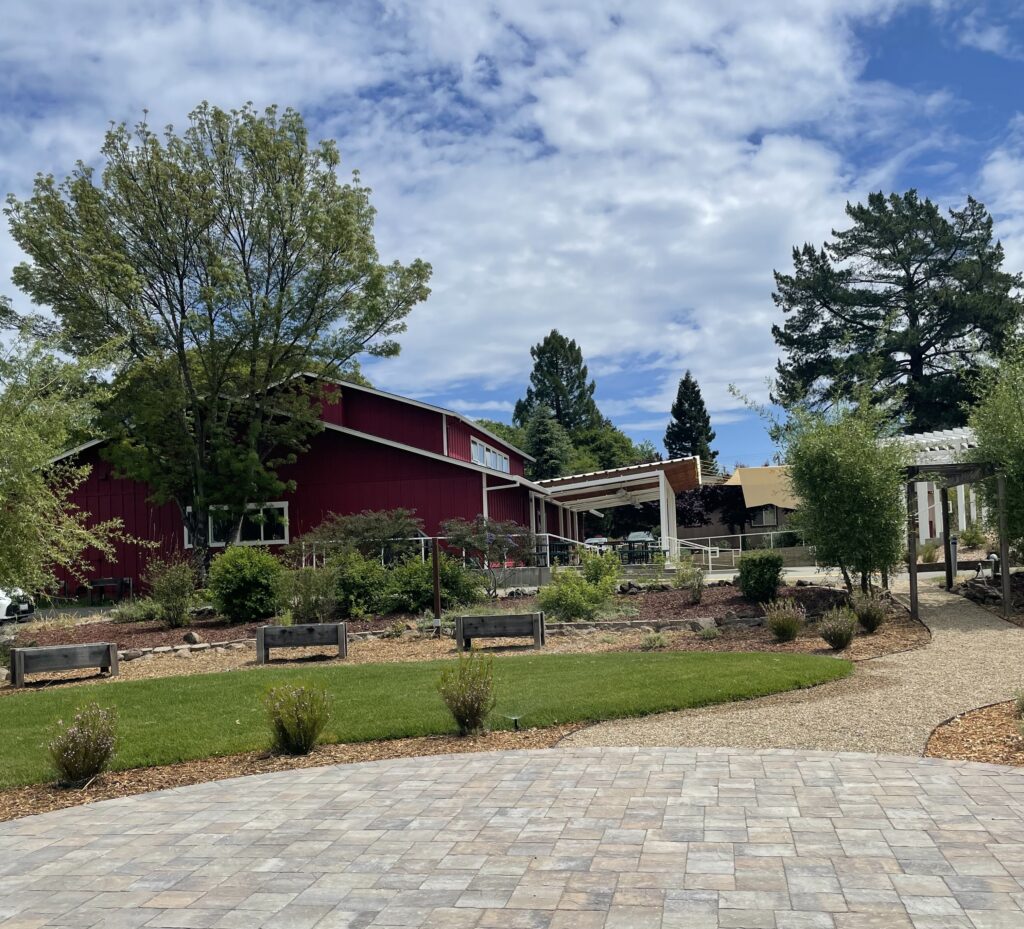
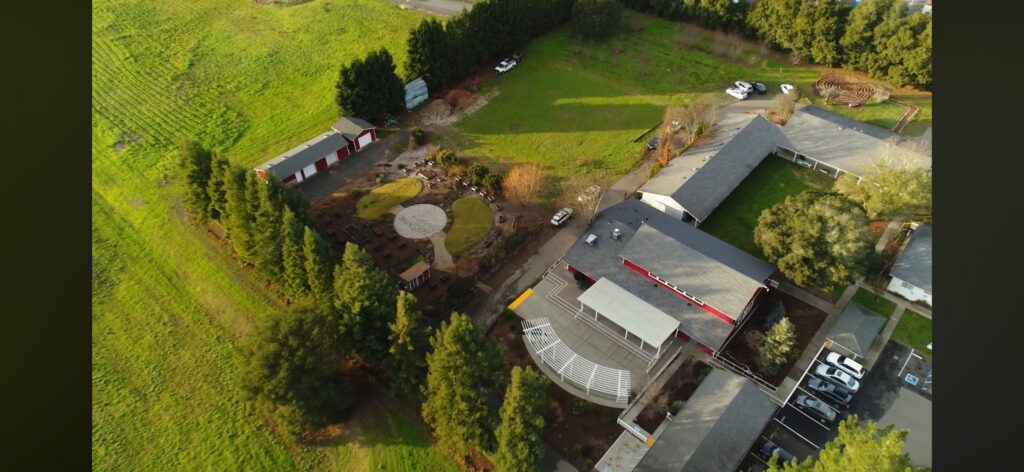
Located on five acres in Sebastopol, California, Journey Academy is approximately one hour north of San Francisco. Our campus is easily accessible for district representatives and families, with proximity to the Pacific Coast and several regional parks. We are conveniently served by regional airports in Santa Rosa (STS, 14 miles), Oakland (OAK, 68.4 miles), and San Francisco (SFO, 76.4 miles)..
Click this link to take a virtual tour.
FAQs
Yes, provided the student lives within a reasonable driving distance. Commutes exceeding 60 minutes one way can impact daily attendance motivation. For students within a feasible range, our NPS serves as an effective step-down from residential treatment.
For a current list of standard services and rates, please email our Admissions Team at admissions@tlc4kids.org.
We regularly collaborate with districts to ensure faithful IEP implementation, offering monthly virtual check-ins and quarterly reports covering academic and social-emotional growth. Our daily behavior tracking system provides consistent data to celebrate achievements and inform IEP goal development.
Each student is assigned an IEP case manager who maintains regular family communication. Families can discuss progress during therapy sessions or schedule meetings directly with the Principal/NPS Director at any time. Additionally, families of residential students meet virtually with the residential manager bi-weekly.
Clinicians collaborate with families during therapy sessions to establish a supportive home visit schedule. As students approach transition, clinicians gradually extend home passes to help them build the structure and skills necessary for a sustainable return home.
We use a suggested step-down matrix to help students recognize and build the skills necessary for a successful transition from placement. This tool tracks progress, personalizes treatment, and facilitates structured discussions regarding transition timelines.